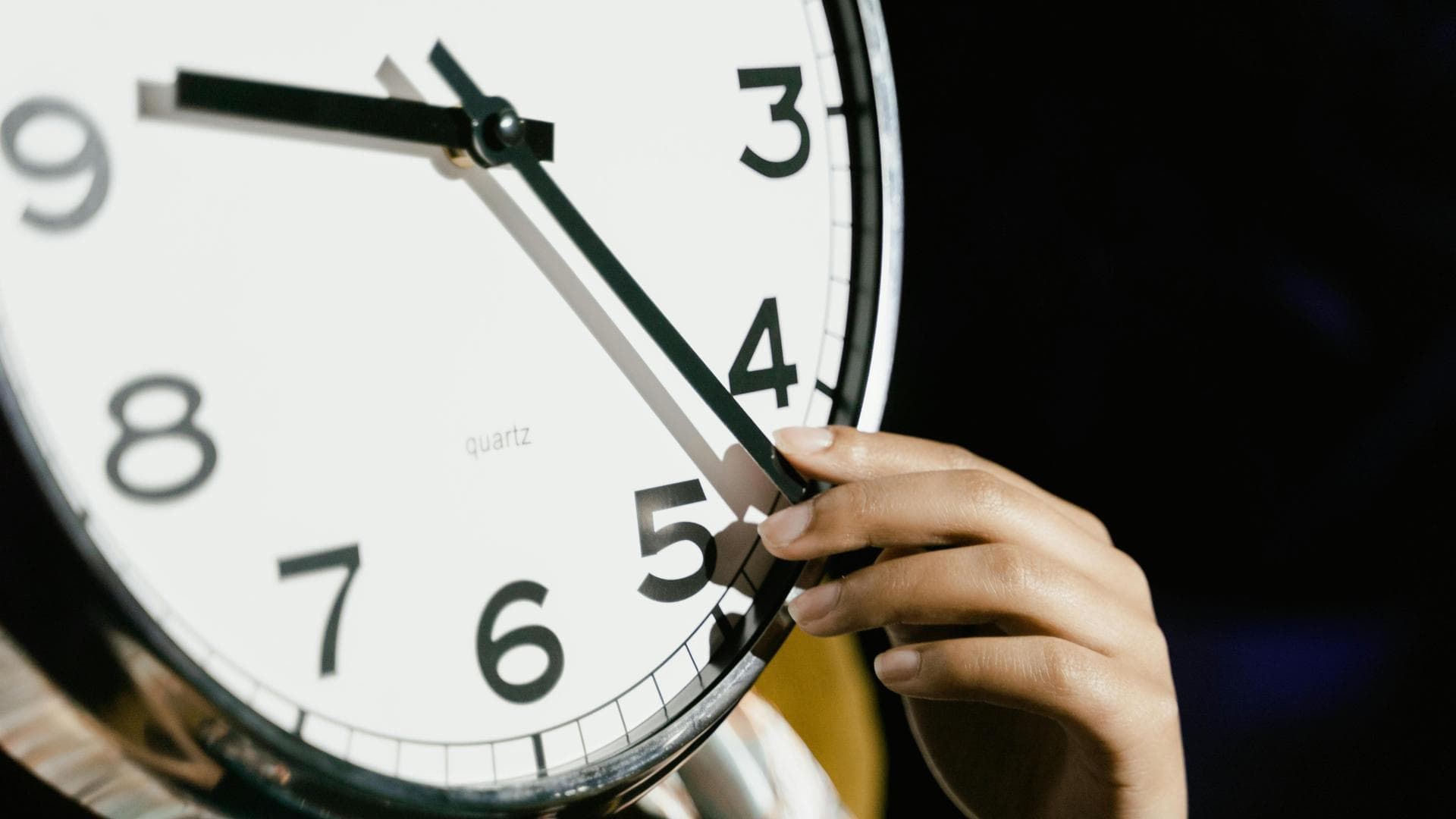
Zeitumstellung 2026: Decoding Germany's Clock Changes for Summer and Winter
As 2026 approaches, many in Germany and across Europe will once again be asking: "When is the
Zeitumstellung 2026?" Despite widespread discussions about abolishing the practice, the twice-yearly clock change remains a fixture on the calendar for the foreseeable future. For residents and visitors in Germany, understanding these crucial dates is key to staying on schedule and managing the subtle shifts in daily rhythm. This comprehensive guide will illuminate the exact times and implications of the
Germany Time Change 2026: When Do We Lose or Gain an Hour?, ensuring you're fully prepared for both the arrival of longer summer evenings and the return of standard time.
The Definitive Dates for Zeitumstellung 2026 in Germany
Just like previous years, Germany will observe two distinct time changes in 2026: one in spring to introduce Daylight Saving Time (Sommerzeit) and another in autumn to revert to Standard Time (Winterzeit). These changes occur on the last Sunday of March and the last Sunday of October, respectively, a pattern that has been consistently followed for decades.
Summer Time Begins: Sunday, March 29, 2026
The transition into Daylight Saving Time, often referred to as Summer Time, marks the moment when Germany "springs forward."
On
Sunday, March 29, 2026, at precisely
2:00 AM Central European Time (CET), the clocks will be advanced by one hour, jumping forward to
3:00 AM Central European Summer Time (CEST).
What does this mean for you?
- Losing an Hour: You will effectively "lose" an hour of sleep on this particular night. If you typically set an alarm for 7:00 AM, it will feel like 6:00 AM to your body, at least initially.
- Immediate Effects on Daylight: While the mornings will suddenly feel darker, as sunrise will occur an hour later by the clock, the evenings will significantly brighten up. This shift aims to make better use of natural daylight during the longer days of spring and summer, pushing sunset later into the evening. Activities like after-work strolls, outdoor dining, and longer daylight for children's play become more feasible.
- The End of CET: From this point until late October, Central European Summer Time (CEST) will be the official time zone in Germany.
This change signals the true arrival of spring, promising extended daylight into the evening hours and a general shift towards warmer, longer days that characterize the summer months.
Winter Time Returns: Sunday, October 25, 2026
As autumn deepens and the days naturally shorten, Germany will "fall back" to Standard Time, which is often called Winter Time.
On
Sunday, October 25, 2026, at
3:00 AM Central European Summer Time (CEST), the clocks will be moved back by one hour, returning to
2:00 AM Central European Time (CET).
What does this mean for you?
- Gaining an Hour: This is the more forgiving of the two changes, as you effectively "gain" an hour. Your body clock will likely appreciate the extra sleep, and you'll experience the hour between 2:00 AM and 3:00 AM twice.
- Immediate Effects on Daylight: Mornings will become noticeably brighter earlier, making those commutes or early starts a little more pleasant. Conversely, evenings will draw in much sooner, with sunset occurring an hour earlier by the clock. This often signals the transition to indoor activities and prepares us for the shorter, darker days of winter.
- The Return of Normalzeit: Central European Time (CET) is considered the "normal" or standard time zone for Germany and much of Central Europe. It will remain in effect until the next Clocks Change 2026: Summer & Winter Time Explained for Germany in spring 2027.
The return to Winter Time brings with it a sense of settling back into the natural rhythm, aligning more closely with solar time, especially in the mornings.
Why Do We Still Change Clocks in 2026? The Ongoing Debate
For years, the practice of seasonal time change has been a topic of intense debate, particularly within the European Union. In 2018, the European Commission even proposed abolishing Daylight Saving Time after a public consultation revealed overwhelming support (84%) for ending the practice. However, despite this strong public sentiment, the
Zeitumstellung 2026 continues.
The main reason for its persistence is a lack of consensus among EU member states. While some countries prefer to permanently adopt summer time, others lean towards permanent standard time (winter time). A decision to abolish the change requires all member states to agree on a coordinated approach to avoid a patchwork of time zones across the continent, which could lead to significant disruptions for cross-border trade, transport, and communication. Without such agreement, the biannual clock change remains the default for Germany and other EU nations. This stalemate means that for 2026, and likely beyond, the familiar spring forward and fall back will continue as usual.
Navigating the Time Change: Tips for a Smooth Transition
While the one-hour shift might seem minor, it can disrupt sleep patterns and circadian rhythms for some individuals. Here are some practical tips to help you adjust smoothly to both the spring and autumn
Zeitumstellung 2026:
- Adjust Gradually: A few days before the time change, try to adjust your bedtime by 15-20 minutes each night. This can make the transition less abrupt for your body.
- Manage Light Exposure: In spring, get plenty of morning light to help reset your internal clock. In autumn, embrace the brighter mornings and use light therapy lamps if you're prone to seasonal affective disorder (SAD).
- Stick to a Routine: Maintain your regular meal times and exercise schedule. Consistency helps stabilize your body's internal clock.
- Hydrate and Avoid Stimulants: Drink plenty of water and limit caffeine and alcohol, especially in the hours leading up to bedtime, to promote better sleep.
- Update Devices: Most modern electronic devices (smartphones, computers, smartwatches) automatically adjust. However, manual clocks (wall clocks, oven clocks, car clocks) will need to be changed manually. Make a habit of doing this on Saturday evening before going to bed.
- Prioritize Sleep: Understand that you might feel slightly off for a day or two. Listen to your body and prioritize getting enough restful sleep.
These small adjustments can significantly ease the potential discomfort associated with the clock changes, allowing you to enjoy the benefits of extended daylight or earlier sunrises without undue stress.
The Impact on Daily Life and Beyond
The impact of
Zeitumstellung 2026 extends beyond just sleep patterns. It subtly influences daily commutes, children's school schedules, and even energy consumption, although the initial energy-saving rationale has been widely debated and often found to be minimal or even negative in modern contexts. Businesses relying on precise scheduling, such as logistics and international transport, are well-versed in managing these shifts, as are the digital systems that govern much of our modern infrastructure. For Germany, these biannual changes are a predictable part of life, influencing everything from when you turn on your lights to when you enjoy your evening leisure time.
Conclusion
For
Zeitumstellung 2026, Germany will once again adjust its clocks. Remember: you'll
spring forward on March 29, 2026, at 2 AM to 3 AM, losing an hour and welcoming longer evenings. Then, you'll
fall back on October 25, 2026, at 3 AM to 2 AM, gaining an hour and embracing brighter mornings. While the debate over the relevance and future of Daylight Saving Time continues to simmer at the European level, these dates remain firm for the upcoming year. By understanding the schedule and implementing simple adjustment strategies, residents can smoothly navigate these transitions and make the most of the changing daylight throughout the year.